




4200blu
Utente Registrato
-
Iscritto il
-
Ultima visita
Tutti i contenuti di 4200blu
-
-
-
Mi piacerebbe crederlo, ma a favore di questo, i paesi europei dovrebbero finalmente iniziare con i requisiti di base e interrare molti, molti cavi di rame spessi su tutta il terretorio - ma questo non vedo nemmeno accadere, almeno non in Germania e mi sembra neanche in Italia. Manca la volonta statale, mancano i soldi e sopratutto la forza di lavoro qualificata.
-
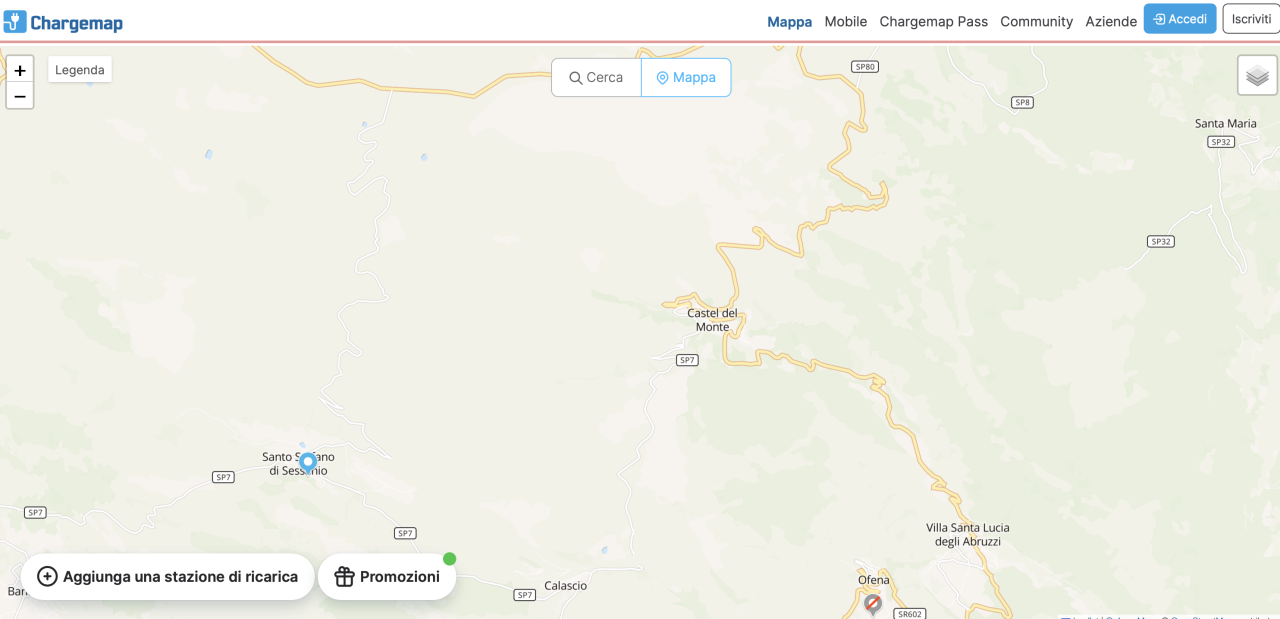
Guardi per quanti 11/22kW sono per esempio a Castel del Monte (AQ), e Ti posso dire altri centinaie di paesini montanari in Italia, Francia, Spagna con la stessa situazione. Tutto bello se uno fa solo citta/ufficio e autostrada/spiaggia, ma per tutto il resto e al minimo molto scomodo e determinato da fattori esterni. Non dico che non e possibile, ma personalmente non ho la minima voglia di lasciare che siano la batteria e i punti di ricarica a determinare la pianificazione delle mie vacanze, del mio tempo libero e dei miei itinerari. Perché fare una cosa del genere, quando esistono splendidi motori diesel a 6 cilindri e motori a benzina a 8 cilindri che possono essere riforniti ovunque e in modo spontaneo e che richiedono al massimo 5 minuti?
-
boh - quante colonnine (anche solo 11kW) sono vicino il ristoro „Al Muggiante“ al Campo Imperatore oppure a posti simile?? Z E R O Tutto bello per i Cinesi, ma a me non servono questi punti HPC in Cina, ho bosogno per questi punti nei Dolomiti, Alpi centrali, Pirenei, Appennino, Barbaggia etc e qua negli piccoli paesini perche faccio tempo libero nelle e vacanze nei montagne e no nelle mega cities. Per la citta a casa ho ebike e metro, qua non ho bisogno di un auto.
-
Perché ancora oggi non passo più di 5 minuti in una stazione di servizio e non ho voglia di stare lì, ci sono posti più belli.
-
Speaking during the H1 2025 earnings call, CEO Oliver Blume confirmed a new gas-fueled crossover will arrive by 2028. The man calling the shots in Zuffenhausen described it as a “very, very typical Porsche for this segment and also differentiated from the BEV Macan.” To bring it to market in such a short time, the company is “speeding up the process there with very short development times.” Blume didn’t elaborate on how the vehicle will be ready by 2028, even though it just received the green light. Our educated guess is that Porsche will rely on the Volkswagen Group’s Premium Platform Combustion (PPC) to accelerate development. If so, the crossover is likely to share a lot with the latest Audi Q5. That wouldn’t be without precedent, since the outgoing Macan rides on the MLB platform that underpinned the previous-generation Q5. In fact, Porsche has already said the new model “would benefit from synergies.” (motor1)

-
-
-
-
-
-
-
-
-
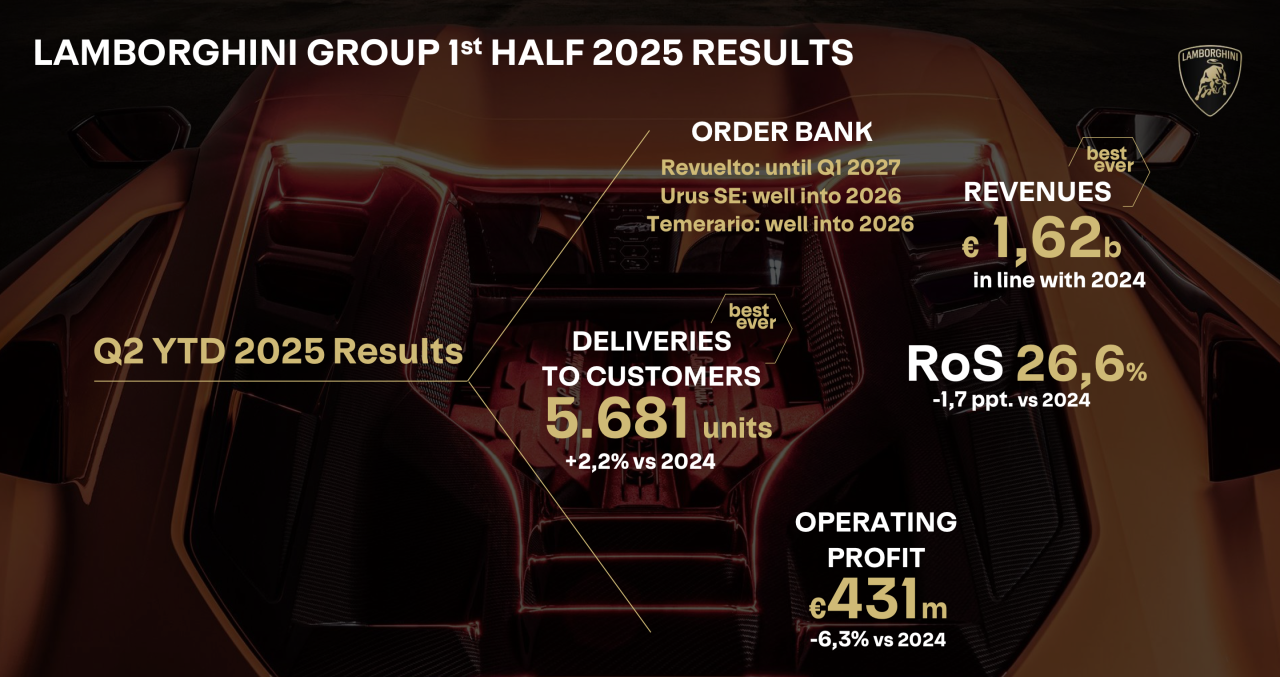
Risultati Lamborghini H1 2025 (Audi Group media)
- 1738 risposte
-
-

- 1
-
-
- audi
- cupra
- ducati
- lamborghini
-
Taggato come:
-
-
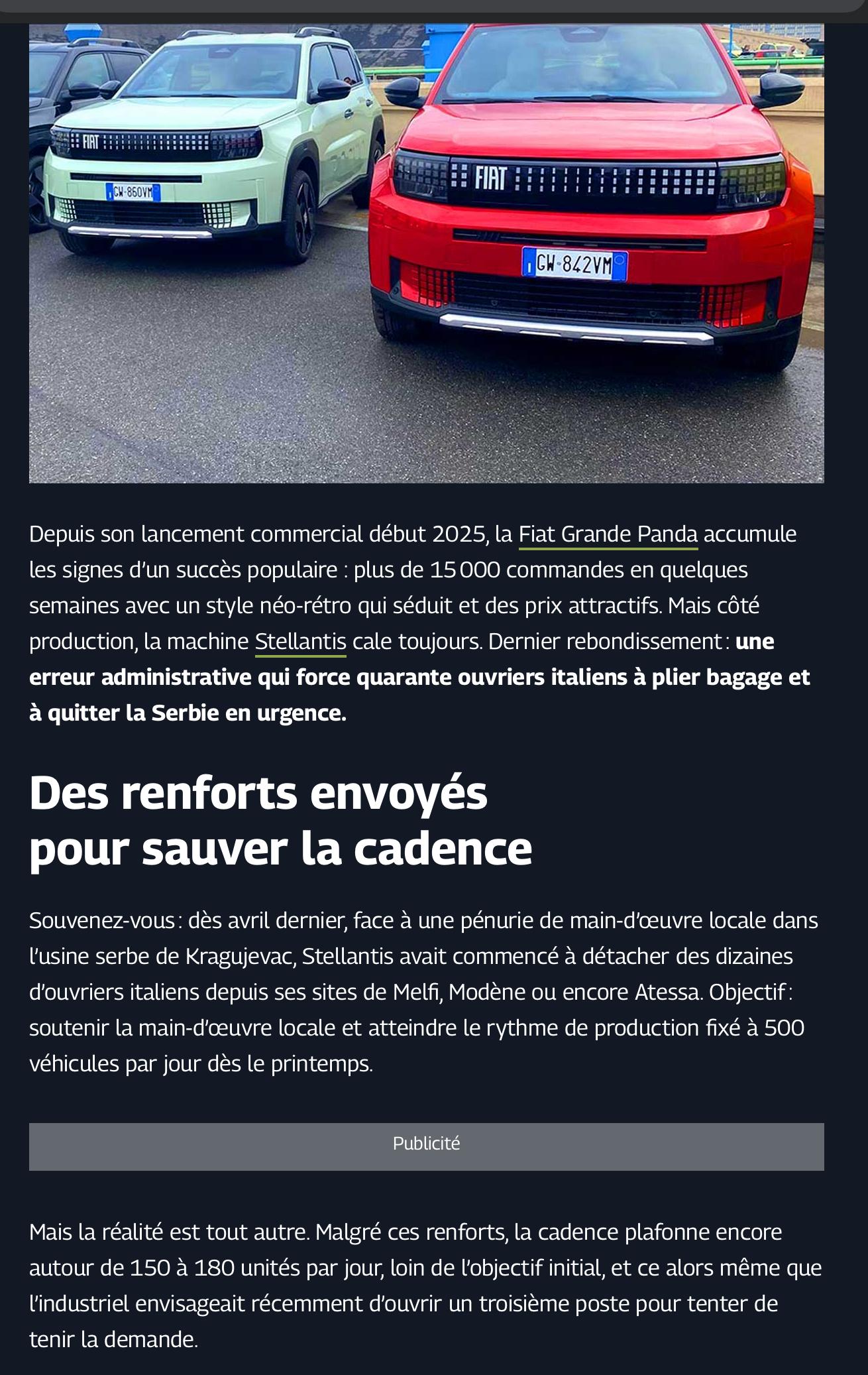
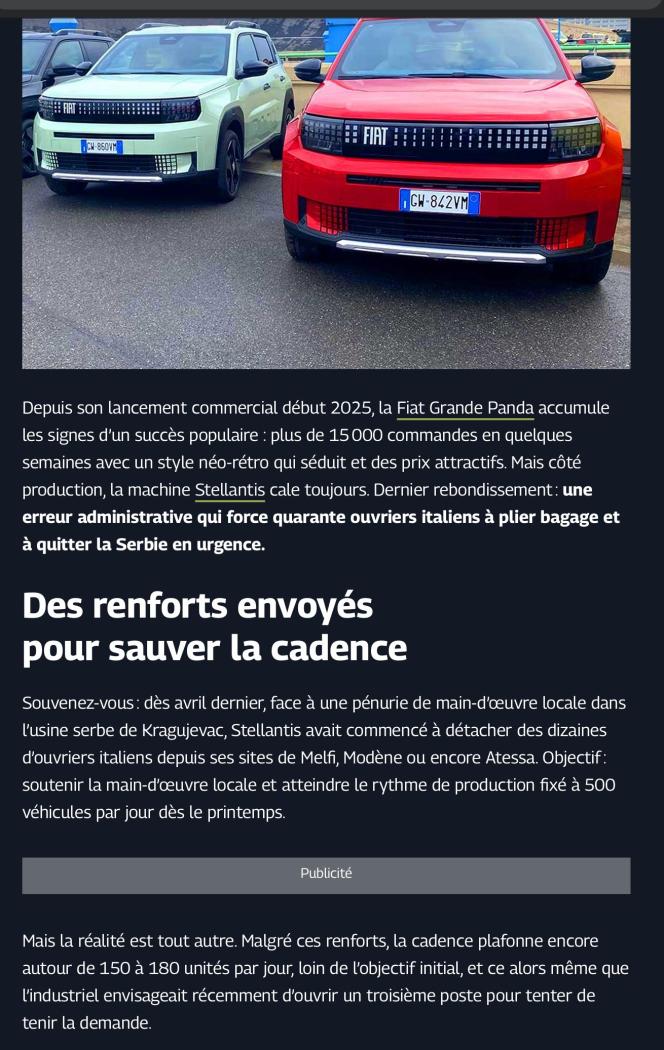
La storia dell'operaio italiano in Serbia (su Italpassion) sembra corrispondere alle tue informazioni. A giugno, la produzione giornaliera era probabilmente di circa 150 unità invece delle 500 previste. Anche le ca. 1900 registrazione europei in giugno corrispondono con queste cifre. https://www.italpassion.fr/fiat/production-maudite-de-la-fiat-grande-panda-des-travailleurs-italiens-renvoyes-de-serbie/
-
Intervista con Philipp Seidel, Pricipal automotive ad Arthur D. Little Vogliamo davvero renderci dipendenti? Signor Seidel, quando due anni fa abbiamo parlato di una possibile rimonta degli europei, lei sembrava ancora cautamente ottimista. E oggi? Seidel: Ora sono decisamente più pessimista. Se si guarda alla mappa europea, si nota che solo nell'ultimo anno sono stati dismessi circa 500 gigawattora di capacità produttiva di celle. In Europa esistono anche gigafactory realizzate, ma sempre più spesso da produttori asiatici di celle. Noi, aziende e consumatori, dovremmo investire molto denaro per colmare il divario con la Cina. Ma manca la disponibilità a investire. Per quali motivi esattamente? Seidel: Uno dei motivi è che la Cina produce elevate sovraccapacità e le immette sul mercato mondiale a prezzi non sostenibili. Un chilowattora di capacità della batteria LFP costa solo 35-50 dollari USA a livello di cella sul mercato spot, e questo già da un anno. Apparentemente non ci sono restrizioni alle esportazioni, poiché i cinesi hanno bisogno di sfruttare il loro potere e vendere le celle in tutto il mondo. In questa situazione, avviare una produzione europea è una sfida estrema. Un altro problema che ci ha colti di sorpresa è la grande tendenza verso la chimica LFP. La maggior parte degli attori ha puntato sull'NMC nella pianificazione, ma ora è chiaro che sono necessarie celle al litio-ferro-fosfato per costruire auto elettriche accessibili nel segmento di massa intorno ai 20.000 euro. Anche se avessimo le fabbriche, non potremmo produrre ai prezzi cinesi... Seidel: ...perché la nostra struttura dei costi non lo consente. E perché i finanziatori non sono disposti a operare con rendimenti bassi o negativi. E perché le condizioni di lavoro e la situazione energetica da noi sono molto diverse rispetto alla Cina. E perché la regolamentazione a Bruxelles e Berlino, pur perseguendo obiettivi ben intenzionati, crea in realtà incertezza. Non esiste ancora un obiettivo chiaro e concordato, né un sostegno coerente alla politica industriale su larga scala. Dove saranno i costruttori automobilistici europei tra qualche anno? Seidel: Uno scenario positivo sarebbe quello di poter creare a medio termine joint venture per la produzione di batterie che sfruttino il know-how asiatico. Se poi, forse a metà degli anni 2030, le gigafactory, le catene di fornitura e anche il riciclaggio funzioneranno a costi competitivi, si sarà raggiunta una certa indipendenza. Lo scenario negativo prevede che l'Europa non riesca a gestire la produzione e rimanga permanentemente dipendente dai fornitori asiatici. Cosa significherebbe questo a lungo termine? Seidel: La batteria è una questione geopolitica strategica, al pari dei semiconduttori, della tecnologia per le energie rinnovabili e dell'intelligenza artificiale. Naturalmente in Europa possiamo dire che altri sono in grado di produrre a costi inferiori. Ma vogliamo davvero dipendere da loro in questi settori? A lungo termine, la conseguenza potrebbe essere quella di rinunciare alla nostra industria automobilistica e guidare solo auto cinesi. (auto motor und sport, Johannes Köbler / traduzione Deepl)
-
-
-
Stellantis' new CEO sees more 'tough decisions' to fix company MILAN, July 29 (Reuters) - Stellantis (STLAM.MI), opens new tab said on Tuesday it expected higher net revenue and a low-single digit operating income margin in the second half despite increasing headwinds, as the automaker aimed for a gradual recovery after a tough first half. The company said its forecasts for the second half were based on tariff rules in place as of Tuesday and estimated an overall tariff impact for 2025 of about 1.5 billion euros, including 300 million euros incurred in the first half. The Franco-Italian group also forecast improved industrial free cash flow in the second half compared with the first six months, when it burned cash for 3 billion euros ($3.48 billion). "Our new leadership team, while realistic about the challenges, will continue making the tough decisions needed to re-establish profitable growth and significantly improved results," new CEO Antonio Filosa said in a statement. The Italian manager, a company veteran, was appointed in May after a disastrous performance in the crucial U.S. market in 2024 forced the ousting in December of former boss Carlos Tavares. Stellantis in April withdrew its guidance for a moderate recovery this year after a profit drop in 2024, citing an evolving trade scenario and uncertain impact of U.S. tariffs. Filosa, who faces the challenge of revamping product ranges and regaining market share and investors' confidence, was set to make his first official appearance as CEO in a results call with analysts later in the day. NORTH AMERICAN REVENUES FALL On Sunday, the United States and the European Union struck a framework trade agreement, imposing a 15% U.S. import tariff on most EU goods - half the threatened rate - and averting a bigger trade war. Stellantis, however, is exposed to 25% U.S. tariffs on Mexico and Canada. Last year, more than 40% of the 1.2 million vehicles Stellantis sold in the United States were imports, mostly from the two neighboring countries. For the first half, the maker of car brands including Jeep, Fiat, Peugeot and Ram broadly confirmed preliminary figures it released last week. They include a 13% drop in net revenues to 74.3 billion euros, an adjusted operating income margin of 0.7%, and a net loss of 2.3 billion euros. Efforts to cut excess inventories in the U.S. brought net revenues in North America, historically Stellantis' largest and most profitable market, to just over 28 billion euros in the first half, below over 29.2 billion euros in Europe in the same period. (Reuters)
-
-
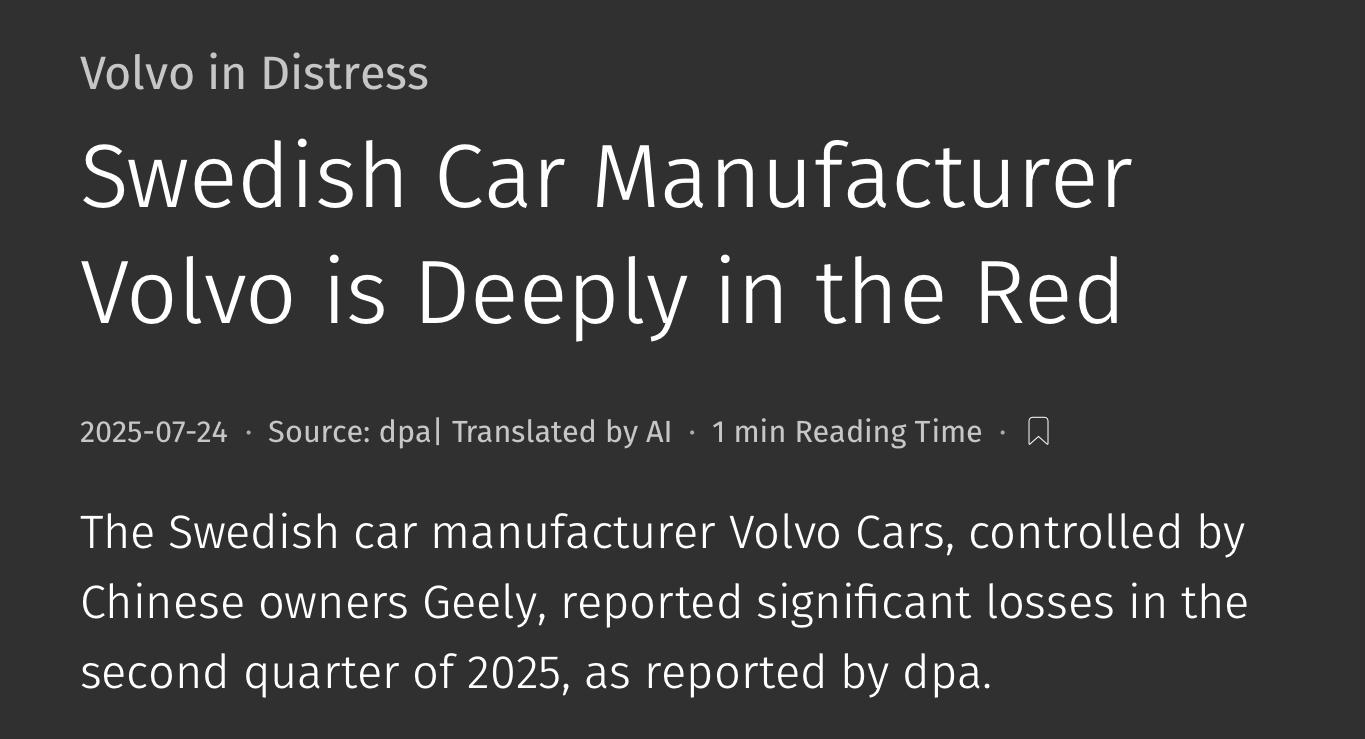
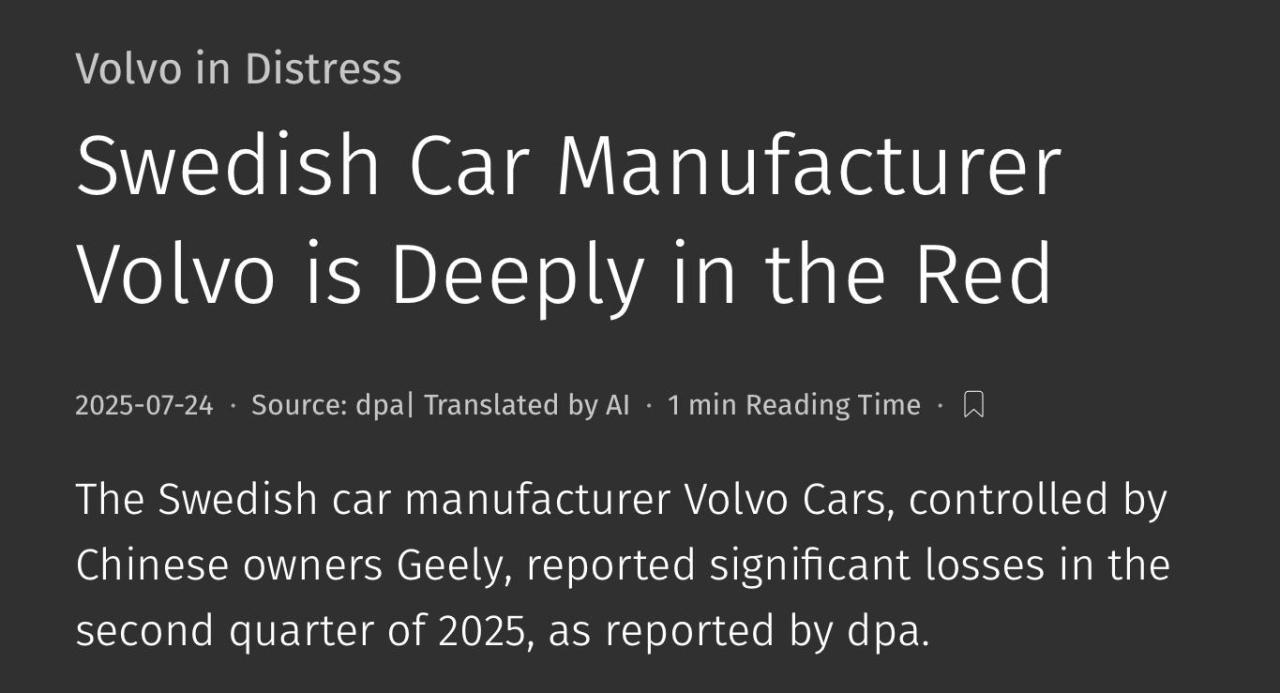
https://www.all-about-industries.com/volvo-cars-suffers-heavy-losses-in-q2-2025--a-report-a-40abd0578c08f925a1b2daaf5f34c00a/
-