




4200blu
Utente Registrato
-
Iscritto il
-
Ultima visita
Tutti i contenuti di 4200blu
-
E perché mai una muletto di Porsche dovrebbe essere immatricolata a LEO (Leonberg, dove per esempio Bosch Chassis-Systems-control ha sede), visto che Porsche non ha una sede in quella città? I veicoli di sviluppo Porsche sono immatricolati a LB oppure BB, le machine per la press a S, ma non a LEO.
-
Cosa dovrebbe arrivare? Dove non c'è nulla, non può arrivare nulla. Stellantis avrebbe potuto disporre di un motore da 2 litri adatto a questo segmento di veicoli, ma lo ha lanciato sul mercato e poi lo ha lasciato a se stesso per 10 anni senza ulteriori sviluppi, perché bisognava risparmiare a tutti i costi per mantenere artificialmente alto il rendimento. Se avessero continuato a lavorarci, ora avrebbero qualcosa da montare. Svilupparne uno nuovo ora per lanciarlo sul mercato forse tra 3 anni, poco prima della fine dell'era dei motori a combustione, sarà probabilmente l'ennesima decisione disastrosa in una lunga serie.
-
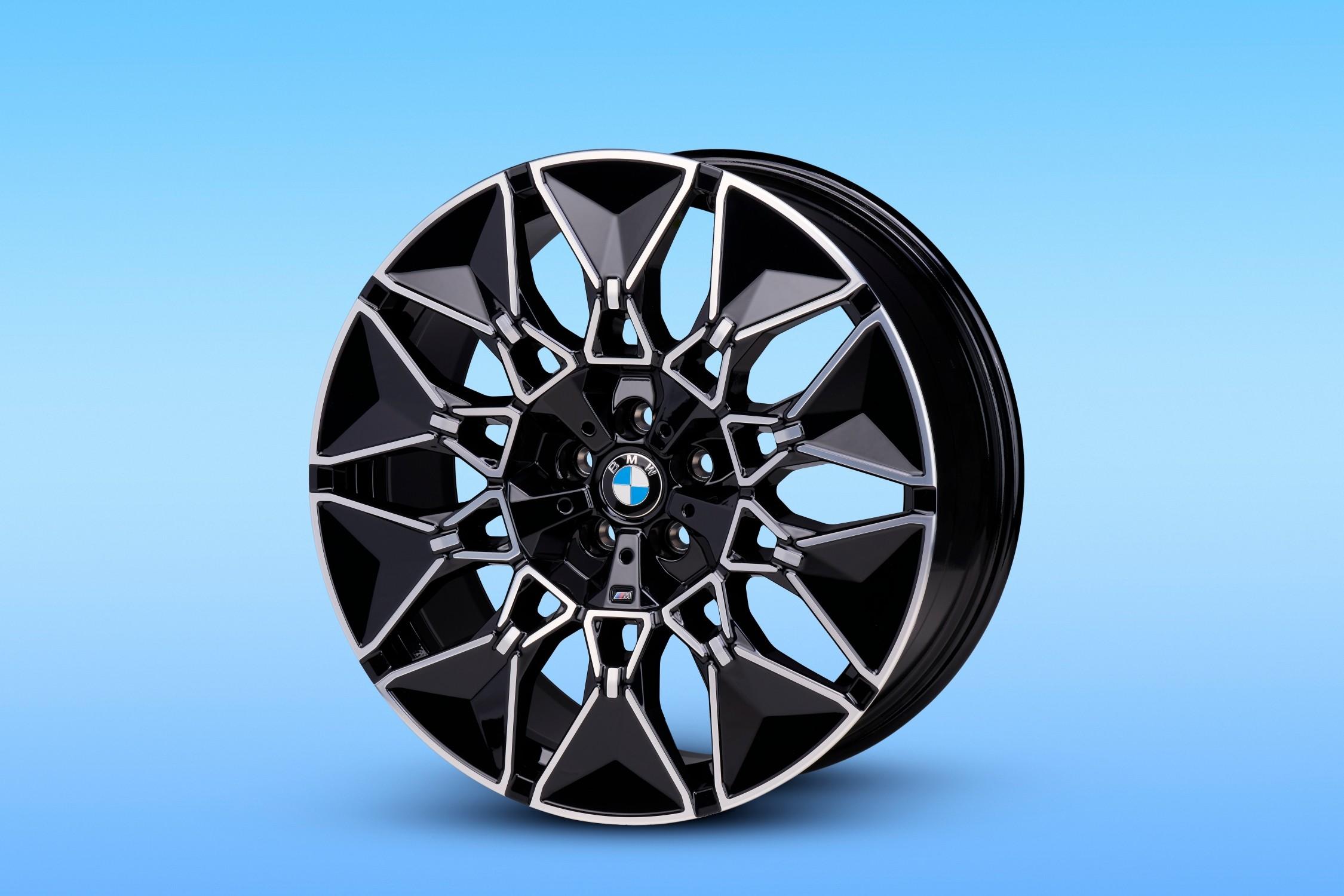
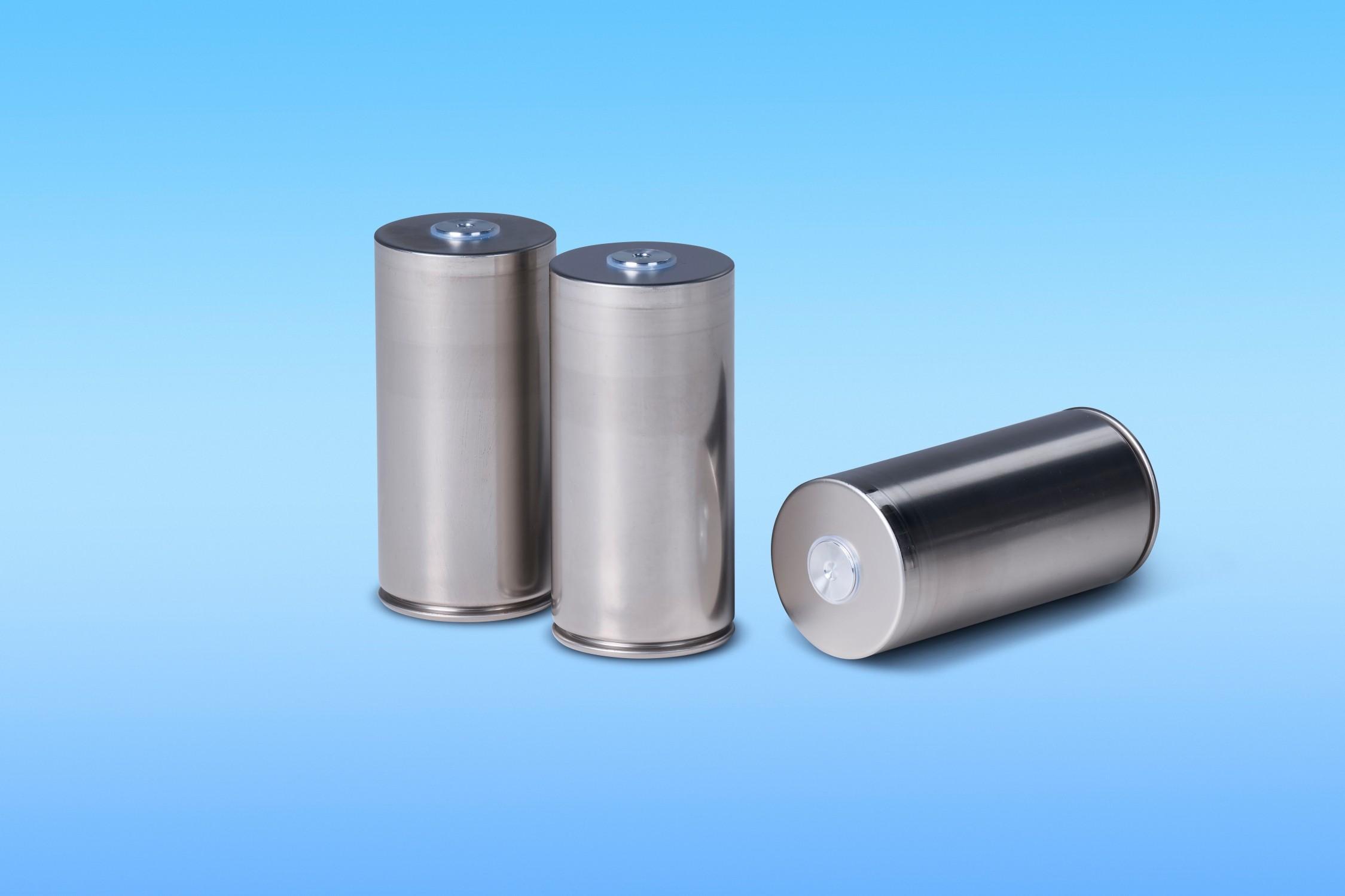
esattamente questo ho scritto. BMW a Parsdorf sviluppa le celle incluso chimica e verifica della producibilità su larga scala. La produzione avviene presso i 3 (in futuro 5) fornitori in stabilimenti situati in periferia dei stabilmenti BMW, secondo le specifiche BMW. Anche Magna-Steyr produce automobili come Eve celle, ma lo sviluppo dei modelli è affidato a BMW, Xpeng ecc. Il produttore è in entrambi i casi un classico subappaltatore: proprio come in un altro settore, ad esempio Foxconn per Apple, così Catl o Aesc lavorano per BMW. Ma le celle BMW prodotte da Catl non hanno nulla in commune con le celle che Catl produce per altri produttori o per conto proprio.
-
È proprio l'obiettivo di questa mossa di modelli nuovi e rivisitati: integrare la vista panoramica in tutti i modelli per arrivare ad una versione software identica e aggiornabile piu facile.
-
Credo che ti stia illudendo.
-
160 kW potenza di ricarica… sul serio?? Per un'auto che uscirà nuovo sul mercato nel 2026...🤣🤣
-
SOP 1.8., quindi SOC fra poco…..
-
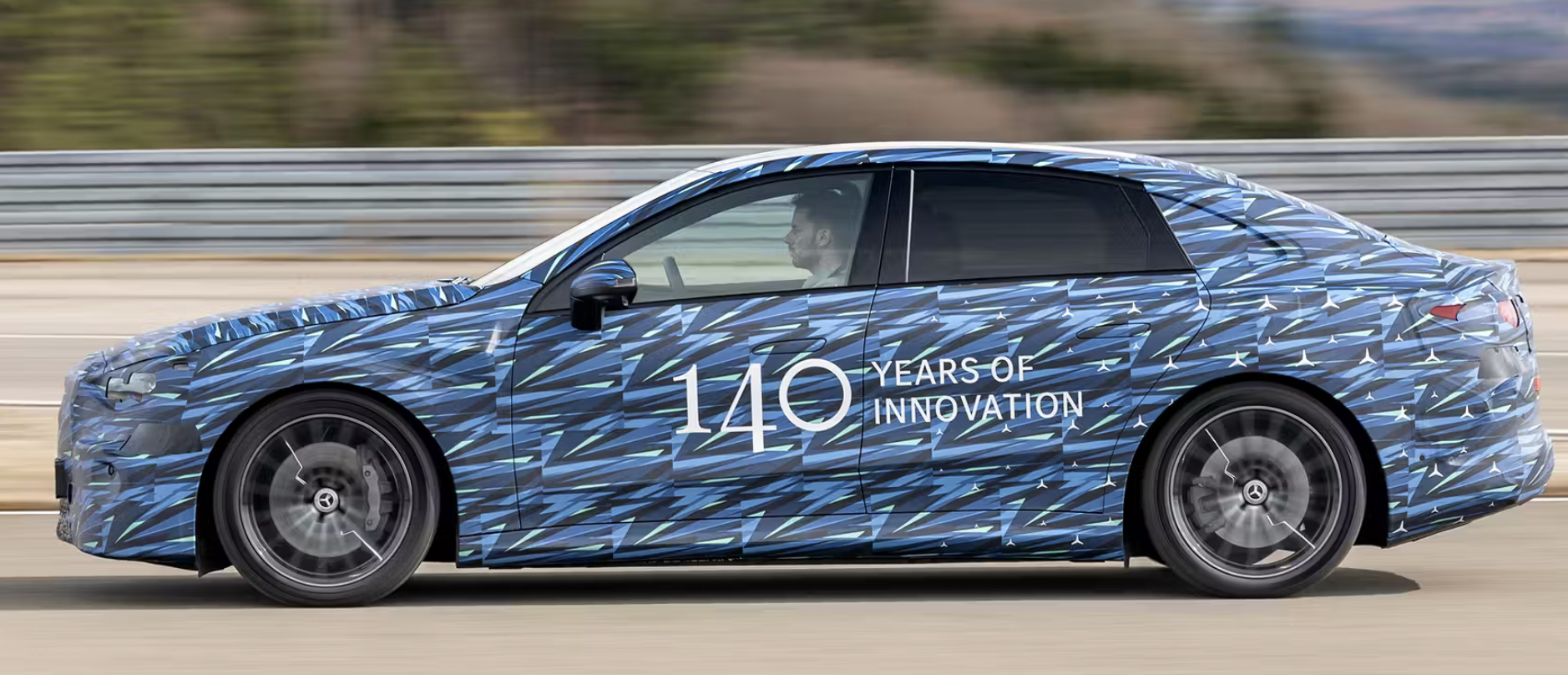
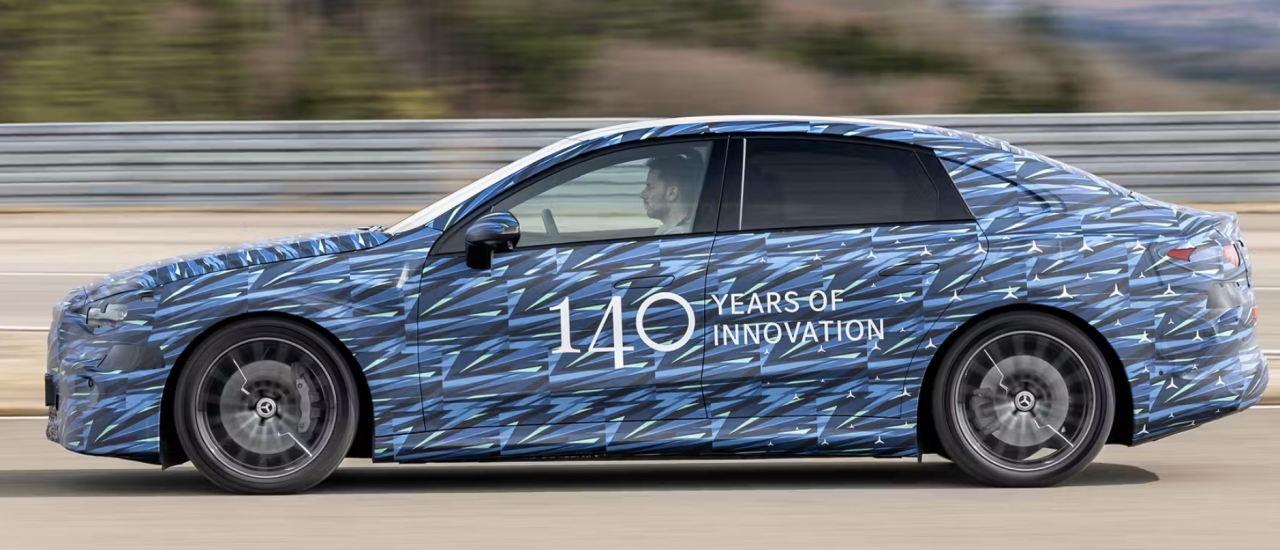
…anche a stoccarda imparano….😆, nuova classe C EQ
-
G50 fine anno, il refresh della G20 con una gamma di motori ridotta.
-
Sì, si sta già lavorando su questo tema in vista dell'NA5 e la soluzione verrà adottata per tutti i modelli NAx.
-
..perche? e cosi…anche se non ti piace. Il target e di essere independente, uno degli obiettivi principali di BMW in tutti i settori è quello di comprendere e valutare i contenuti, in modo da poter tenere testa a un fornitore e non dipendere da lui. Limitarci ad solo assemblare celle standard acquistate da un fornitore: è proprio quello che alla BMW non si vuole.
-
NA1 e la NA0 in versione touring, quindi solo bev come tutte le NCAR. Se vuoi una touting ice da 2028 in poi devi prendere la 5 touring.
-
Si, NA1.
-
Ma cosa c'è di così sorprendente? È lo stesso volante dell'NA5, è logico, no?
-
immagini che risultano piuttosto distorte nella loro relazione. dimensioni reali: 156 - passo / lunghezza /altezza - 2,59m / 4,43m / 1,46m i3 - passo / lunghezza / altezza - 2,90m / 4,76m / 1,48m
-
Leapmotor posts 1st annual profit as EV sales double Leapmotor's net income came in at 540 million yuan ($78.3 million) in 2025, marking the company's first full-year profit. The company's revenue doubled to 64.73 billion yuan as annual vehicle deliveries surged 103% to nearly 600,000 units. Leapmotor reported its first full-year profit as it maintained strong delivery momentum throughout 2025. The Stellantis-backed Chinese electric vehicle maker posted a net income of 540 million yuan ($78.3 million) in 2025, becoming the second Chinese EV startup after Li Auto to achieve annual profitability, according to its financial report released Monday. The company's revenue for 2025 surged 101.3% from a year earlier to a record 64.73 billion yuan. Leapmotor delivered 596,555 new vehicles in 2025, representing a 103.1% year-on-year increase. As of the end of 2025, the company held 37.88 billion yuan in cash and maintained positive free cash flow. China FAW Group invested 3.74 billion yuan in the company at the end of December, which diluted the stake of its largest external shareholder, Stellantis, to 18.99%. The company's globalization strategy is accelerating, with exports reaching 67,052 units in 2025, ranking first among Chinese EV startups. Leapmotor plans to roll out new products in its four major product series — A, B, C, and D — in 2026, with the all-new A10 model officially launching on March 26. The company had originally planned to begin pre-sales for the A10 on March 26. Leapmotor aims to deliver more than 1 million vehicles in 2026. (CnEVpost)
-
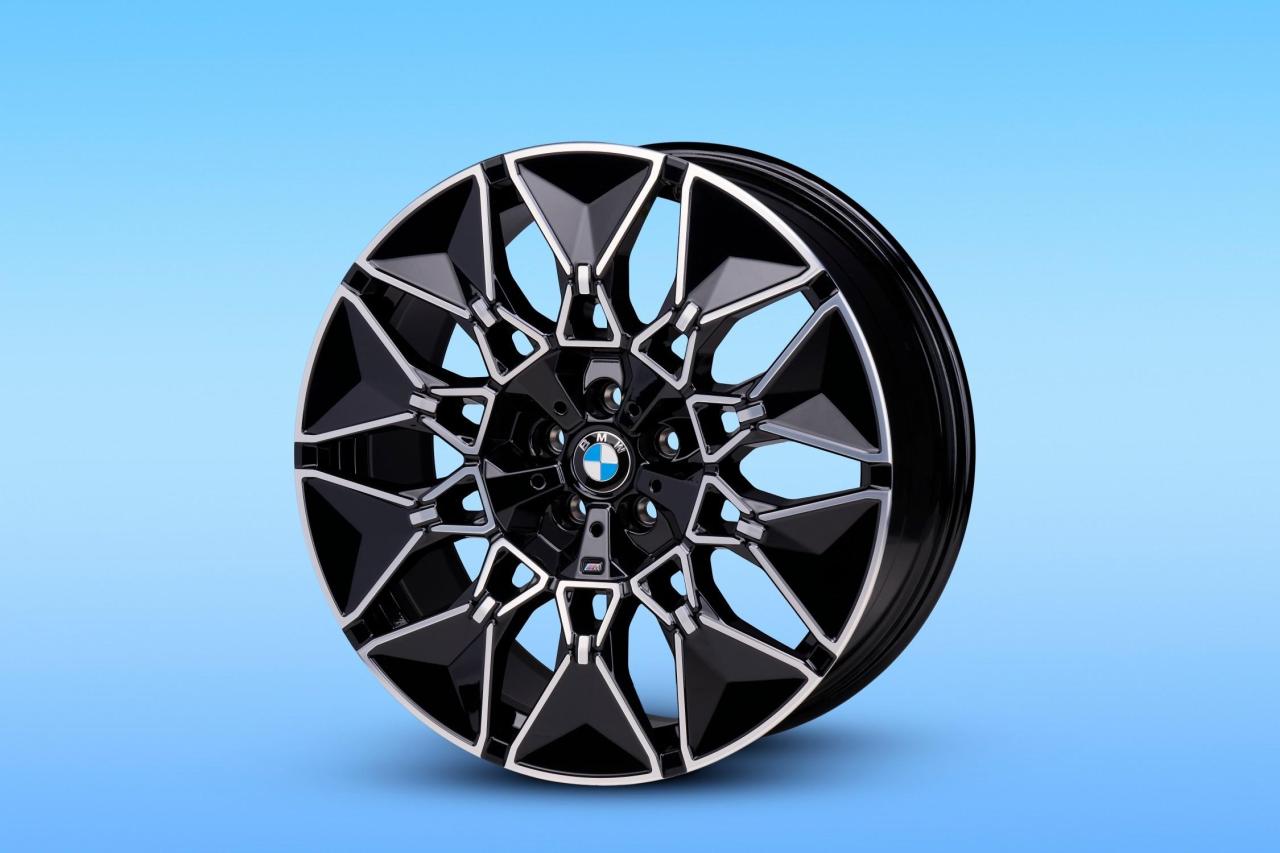
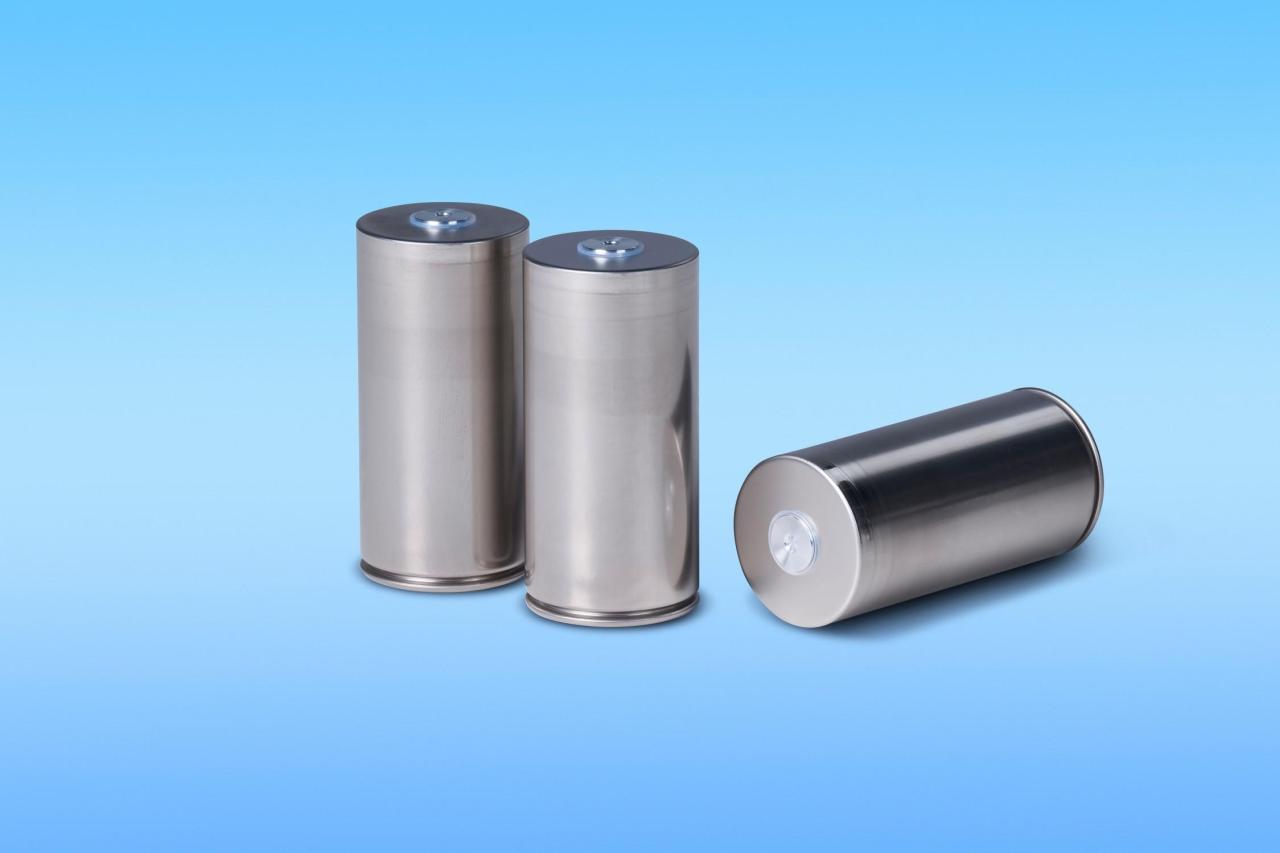
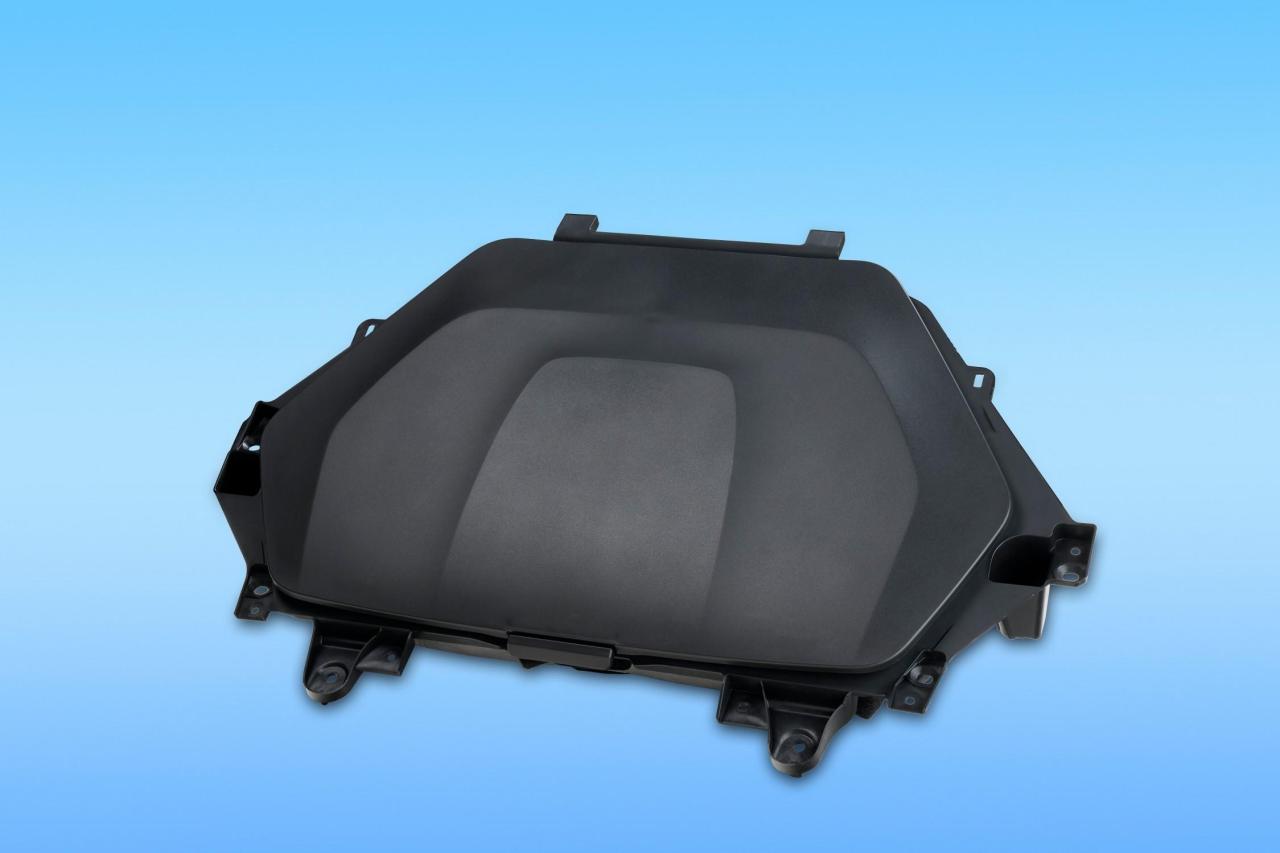
Comunicato stampa Via BMW.
-
Come gia detto prima, le celle sono completamente sviluppato inhouse a Bmw Parsdorf, la produzione di massa avviene attualmente presso tre fornitori, secondo le specifiche di BMW. Ungheria e Germania da Eve e Catl, a Messico e Usa da Aesc. Attualmente sono in corso trattative con altri due fornitori per evitare di creare una forte dipendenza da un unico fornitore.
-
Le flotte italiane forse faranno il volume con le 30 e 20 mi sembra. La 40 avra autonomia di ca. 600km, insieme con la potenza ricarica di 400kW invariata non mi sembra grande problema per distanze lunghe. NA1 fra un anno mi sembra non compatibile con lo SOP.
-
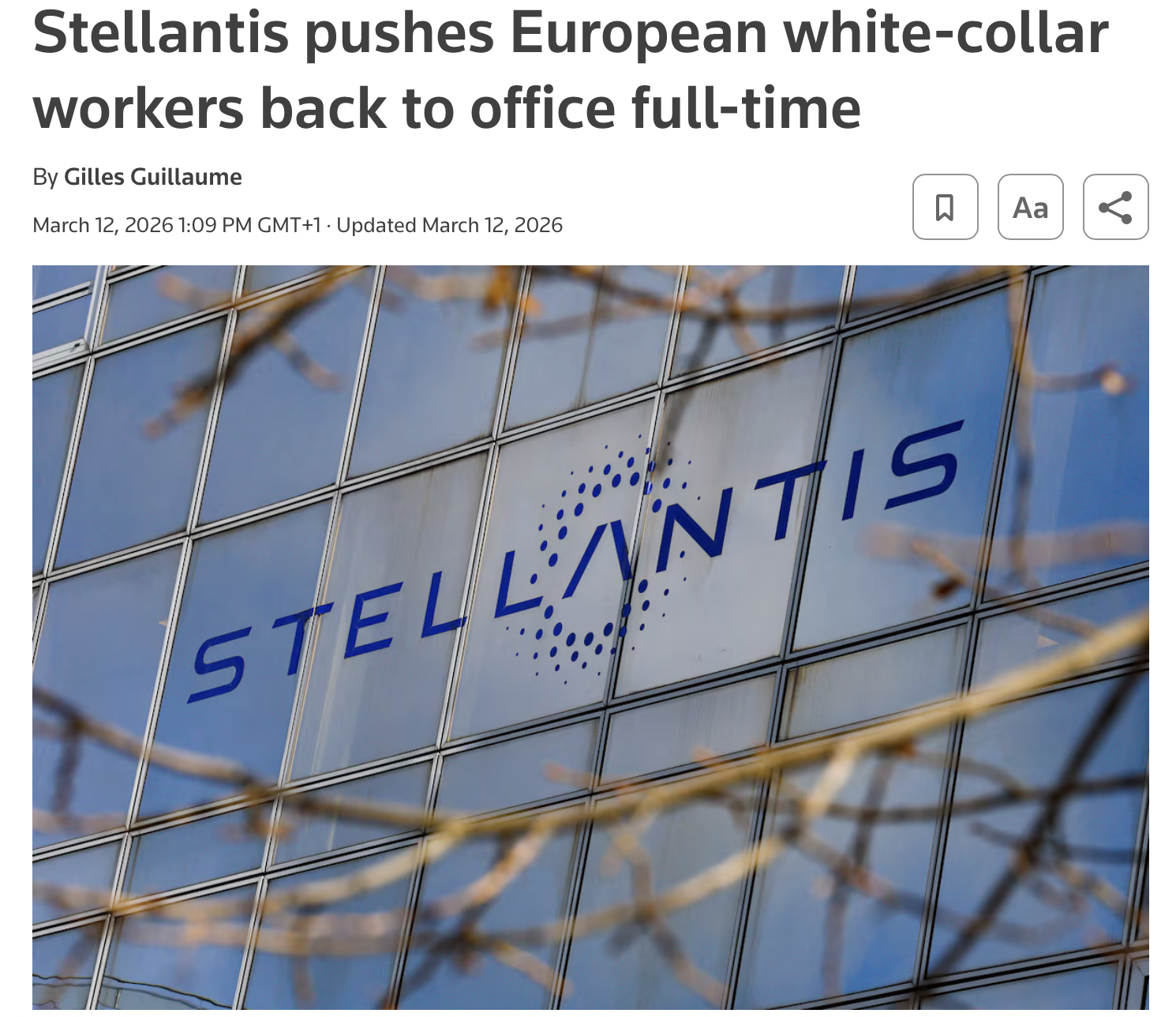
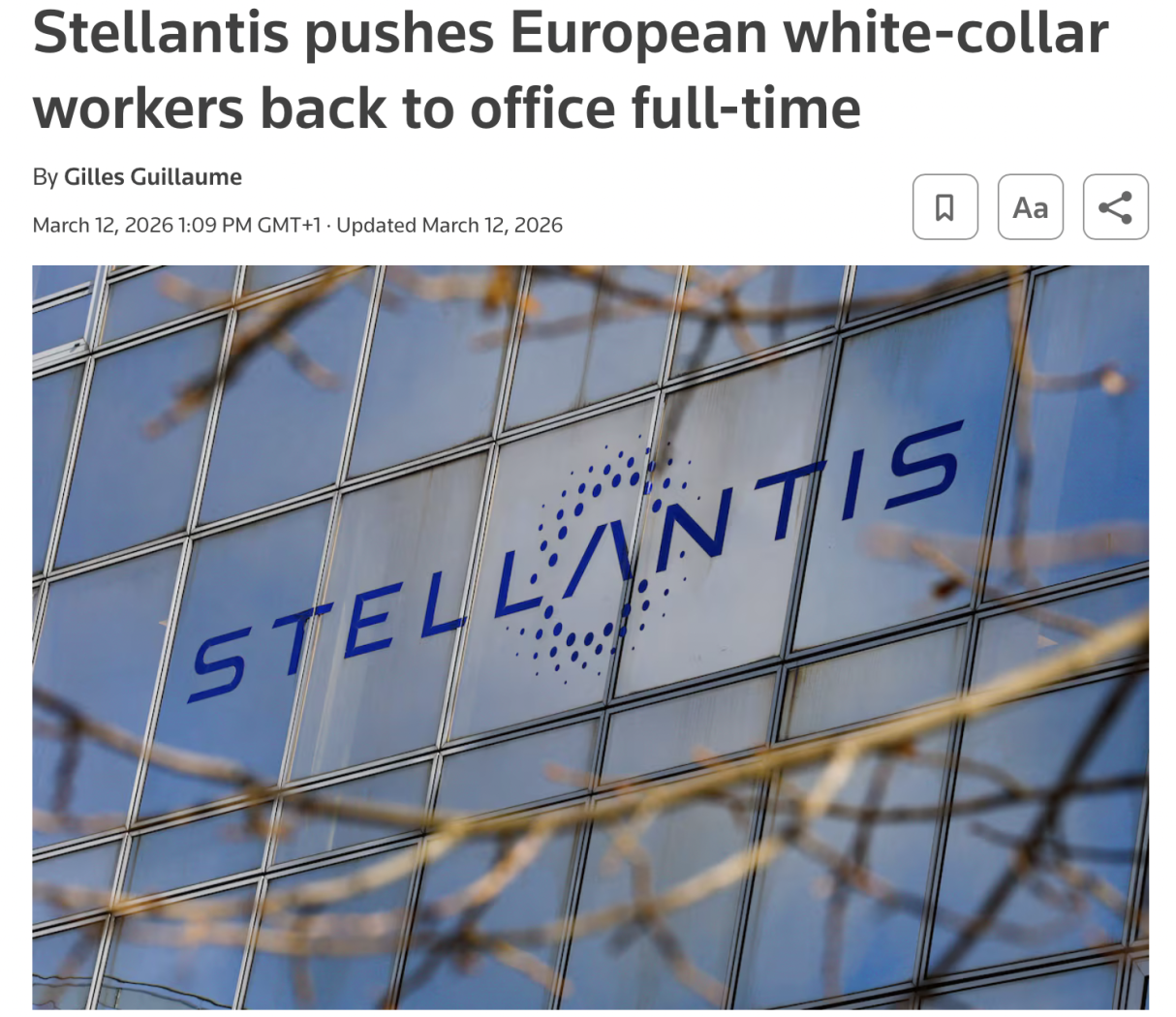
PARIS, March 12 (Reuters) - Stellantis (STLAM.MI), opens new tab is pushing white-collar workers in Europe back to the office full-time to boost efficiency, the ailing carmaker told Reuters, as it seeks to revive profits and regain momentum after huge losses last year. The owner of brands ranging from Jeep to Fiat is deep into a turnaround drive after a shift to electric vehicles backfired badly. CEO Antonio Filosa is looking to cut costs and meet demand for combustion-engine cars by resurrecting diesel models. Stellantis wants tens of thousands of European employees in the office full-time by next year, a spokesperson said, making it the first major European automaker to make such a move. Details of the plan have not been previously reported. In the years since the COVID pandemic, workers in France, Italy and Germany were allowed to work as little as 1.5 days per week in the office, the spokesperson said. The return-to-office decision is "a competitive priority" of Stellantis' turnaround and will be tailored to individual countries' labour rules and work space availability, the company said. Stellantis has already informed U.S. salaried workers they must return to full-time office work from March 30. BACK-TO-OFFICE PUSH PART OF CEO'S STRATEGY OVERHAULSince his appointment last summer, Filosa has set to work reversing much of the strategy laid out by former CEO Carlos Tavares, who was ousted in December 2024. Filosa has overhauled Stellantis' operations, shaking up its management, reviving combustion-engine models and chasing lower-margin fleet sales to boost U.S. sales. Last month, Stellantis announced 22.2 billion euros ($26.1 billion) in charges related to over-optimistic EV sales expectations. The return to office full-time will start in France, Italy and Germany and "progressively extend to other countries", Stellantis wrote in slides shown at a recent European Works Council select committee meeting, two union sources said. In Germany, Stellantis told its approximately 5,400 white-collar workers the move to full-time office work will "take regional circumstances into account," the spokesperson said. The firm wants 60% of its 8,000 Italian office workers to spend three days a week in the office by September 2026, rising to five days by 2027. Stellantis told its roughly 8,500 French white-collar employees by email on February 9 they should start moving to three days per week on site from mid-year, the spokesperson added. FRENCH UNION DEMANDS TALKS CITING 'MAJOR CONCERN'Engineer Jean-Marie Roy and hundreds of other white-collar workers returned to an office this week in Poissy, west of Paris, that recently reopened following a refurbishment that will now allow it to host up to 1,200 employees working three days a week. "It is a little like a flashback", Roy said. The main union representing Stellantis workers in France, however, opposes the plan. And in an online poll the CFE-CGC union set up for all affected employees, over 90% of respondents opposed a full-time office return. The union has demanded talks on the plans, arguing flexibility leads to better work-life balance and cuts employees' commuting expenses and time. "This abrupt reversal ... undermines 10 years of pioneering policy on agility," CFE-CGC union representative Laurent Oechsel told Reuters. "It creates a climate of major concern." The full-time office return puts Stellantis at odds with peers. (Reuters)
-
Magari è meglio aspettare prima i dati ufficiali? (Ia 50 ha 108,7 kWh di capacità utile; 30 kWh in meno sarebbero 78, il che non mi sembra corrispondere alla realtà).
-
Sì, Xiaomi opera nel segmento di fascia alta del mercato di massa, ma dal punto di vista tecnologico è all’avanguardia assoluta e un punto di riferimento nel campo della elettrica/elettronica e dei sooftware defined vehicle, anni luce avanti rispetto a Stellantis. In questo modo potrebbe mettere a disposizione di Maserati sinergie tecniche adeguate al marchio e consentirele inoltre l’accesso al mercato interno cinese per raggiungere volumi almeno leggermente superiori. E loro hanno soldi, Stellantis no, quindi sono ingrado di pensare in decenni, non in trimestre.
-
Per riportare Alfa e Maserati sulla strada del successo occorrono molta perseveranza e ingenti investimenti. Investimenti che non avrebbero praticamente alcuna sinergia con il resto del gruppo e che richiederebbero una capacità finanziaria di cui il gruppo attualmente non dispone assolutamente. A ciò si aggiunge un presidente abituato a ragionare come un investitore finanziario americano, ovvero puntando al successo a breve termine, trimestre dopo trimestre, anziché a investimenti di rilancio su un orizzonte temporale di almeno 10 anni. A ciò si aggiunge poi la situazione globale del mercato automobilistico: una Maserati in questo gruppo semplicemente non ha spazio.
-
-
…potresti anche aspettare alla 20 😁😎…..